

Travel has always been about discovering new places, cultures, and experiences. Today, however, many travelers are asking a new question before planning a trip:
"How can I travel responsibly?"
This shift has led to the rapid growth of sustainable tourism, a style of travel that encourages people to explore destinations while respecting local communities, preserving nature, and minimizing environmental impact.

Modern work culture often celebrates being busy.
Long hours, overflowing inboxes, and packed schedules are sometimes treated as badges of honor. Many people convince themselves they'll take a break "once things settle down."
The problem is that work rarely settles down.
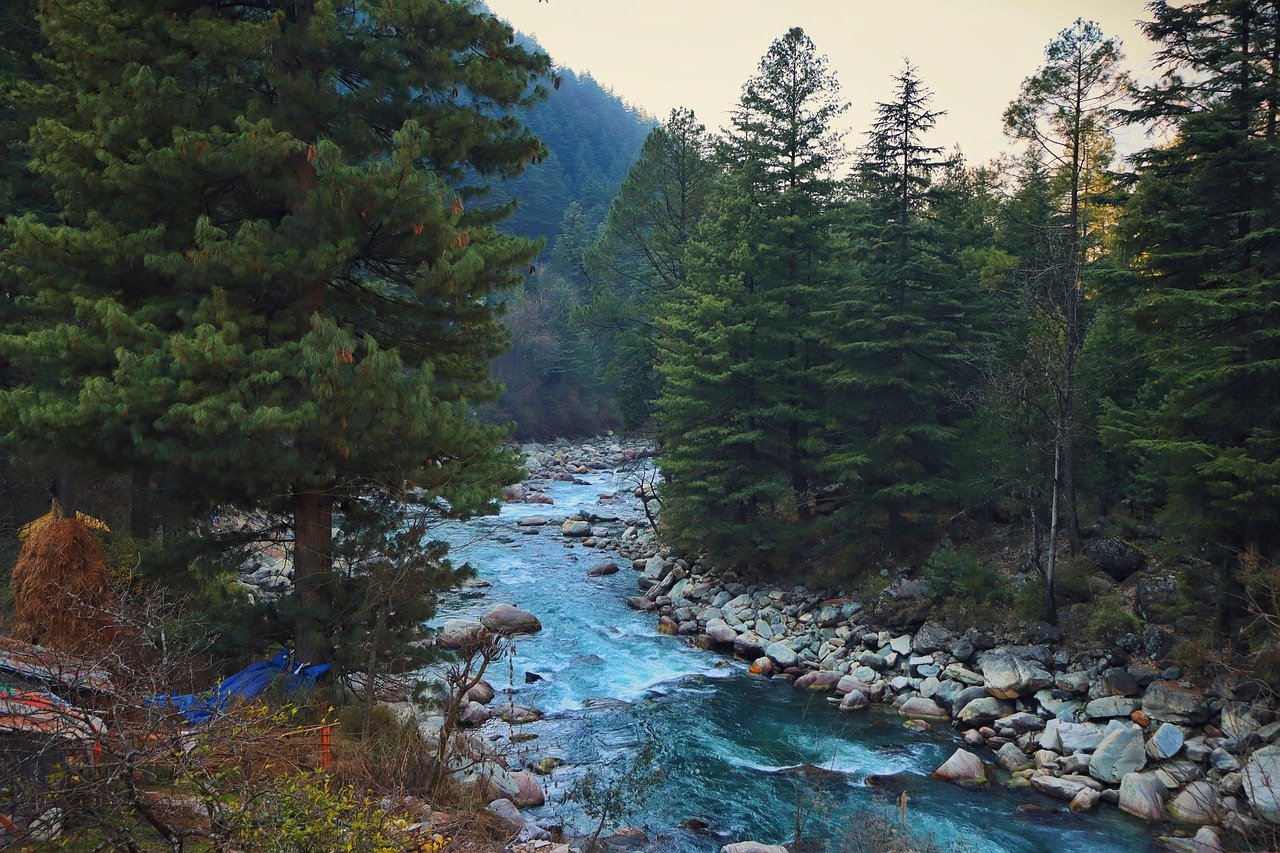
If you're planning a trip to Himachal Pradesh, chances are you've come across two of its most popular destinations: Manali and Kasol.
Both are surrounded by breathtaking mountains, flowing rivers, and charming cafés. Both attract thousands of travelers every year. Yet despite their similarities, they offer very different experiences.
Travel has become easier than ever before.
A smartphone can now help you book hotels, find directions, translate languages, track expenses, check weather forecasts, and even discover hidden attractions.
Whether you're planning a family vacation, a solo adventure, a workation, or a mountain getaway to Manali, having the right travel apps can save time, reduce stress, and help you make the most of your journey.
Snow-covered landscapes, cozy cafés, misty mornings, and breathtaking mountain views make winter one of the most magical times to travel.
For many travelers, a winter vacation in the mountains is a dream experience. Whether it's your first snowfall, a family holiday, a honeymoon, or a peaceful getaway, mountain destinations offer a unique charm during the colder months.
Have you ever noticed how a walk through a forest feels different from a walk through a busy city street?
Or how sitting beside a river can feel surprisingly calming after a stressful week?
Most people have experienced this feeling at some point. After spending time outdoors, they often feel more relaxed, refreshed, and mentally clear.
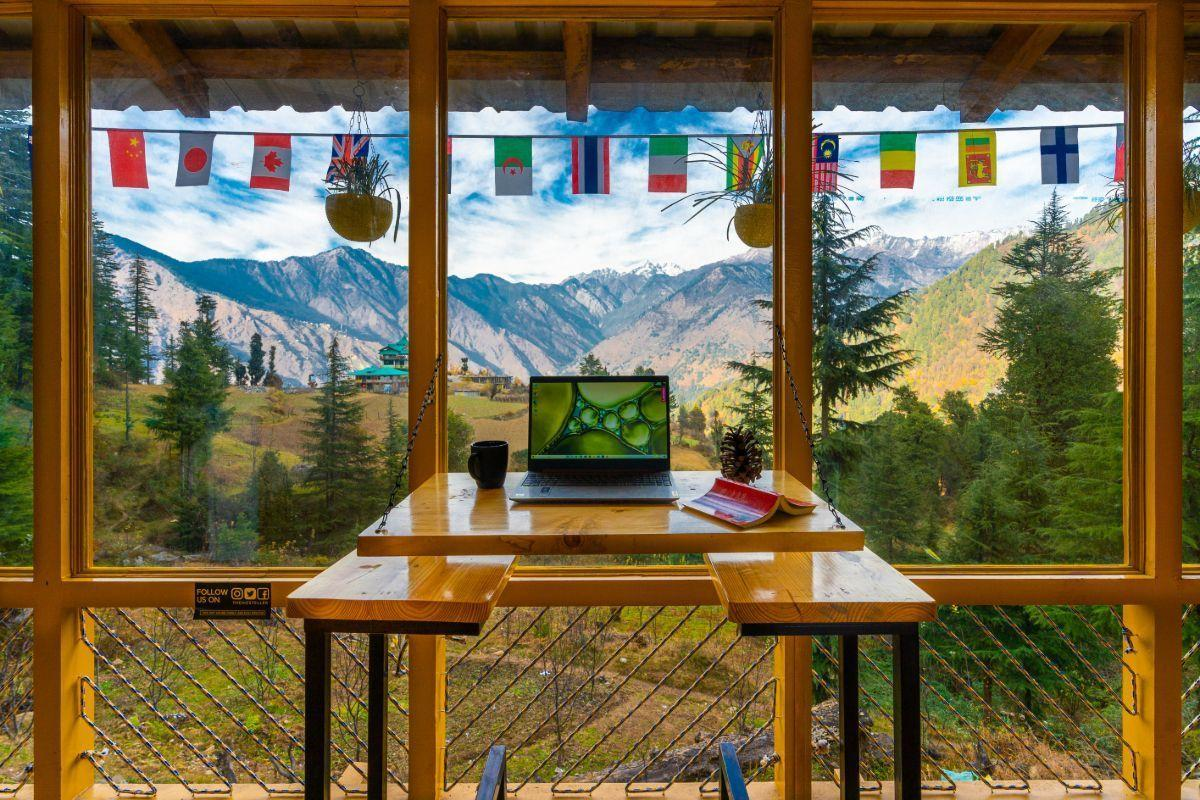
A decade ago, most remote workers were concentrated in major cities and co-working hubs.
Today, a growing number of professionals are choosing a different lifestyle.
Instead of working from crowded urban centers, they are setting up their laptops in mountain towns, hill stations, and nature-rich destinations.
This shift has helped create a new travel trend: professionals combining work, travel, and lifestyle in places that offer more than just internet connectivity.
Modern life often feels like a constant race.
Between work deadlines, family responsibilities, financial pressures, and endless notifications, many people rarely get the chance to truly switch off. Over time, this can lead to chronic stress and, eventually, burnout.
While a vacation isn't a magical solution to every challenge, taking time away from routine can have a powerful impact on mental and emotional well-being. In fact, one of the biggest reasons people travel is not simply to see new places, but to feel different when they return.
Many people treat vacations as a luxury.
Something to do when there's extra time.
Something to plan after a busy season.
Something that can always wait until later.
But the reality is quite different.
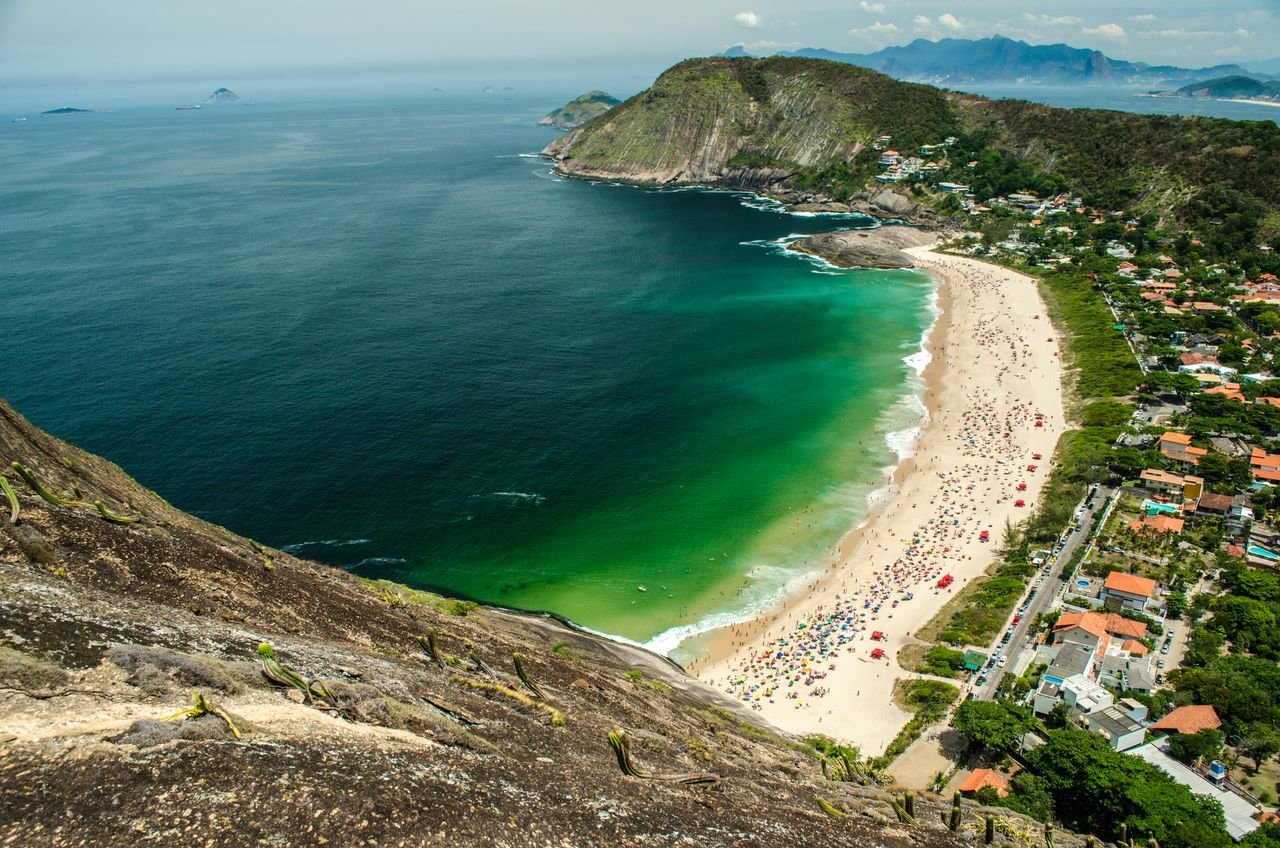
When planning a vacation, one question often comes up:
Should you head to the mountains or the beach?
Both options offer unique experiences, beautiful scenery, and opportunities to unwind. Some travelers dream of cool mountain air and snow-capped peaks, while others prefer sandy beaches, ocean views, and tropical sunsets.